Become a member
Dopamine and Electricity: The Cognitive Allure of Lightning Roulette
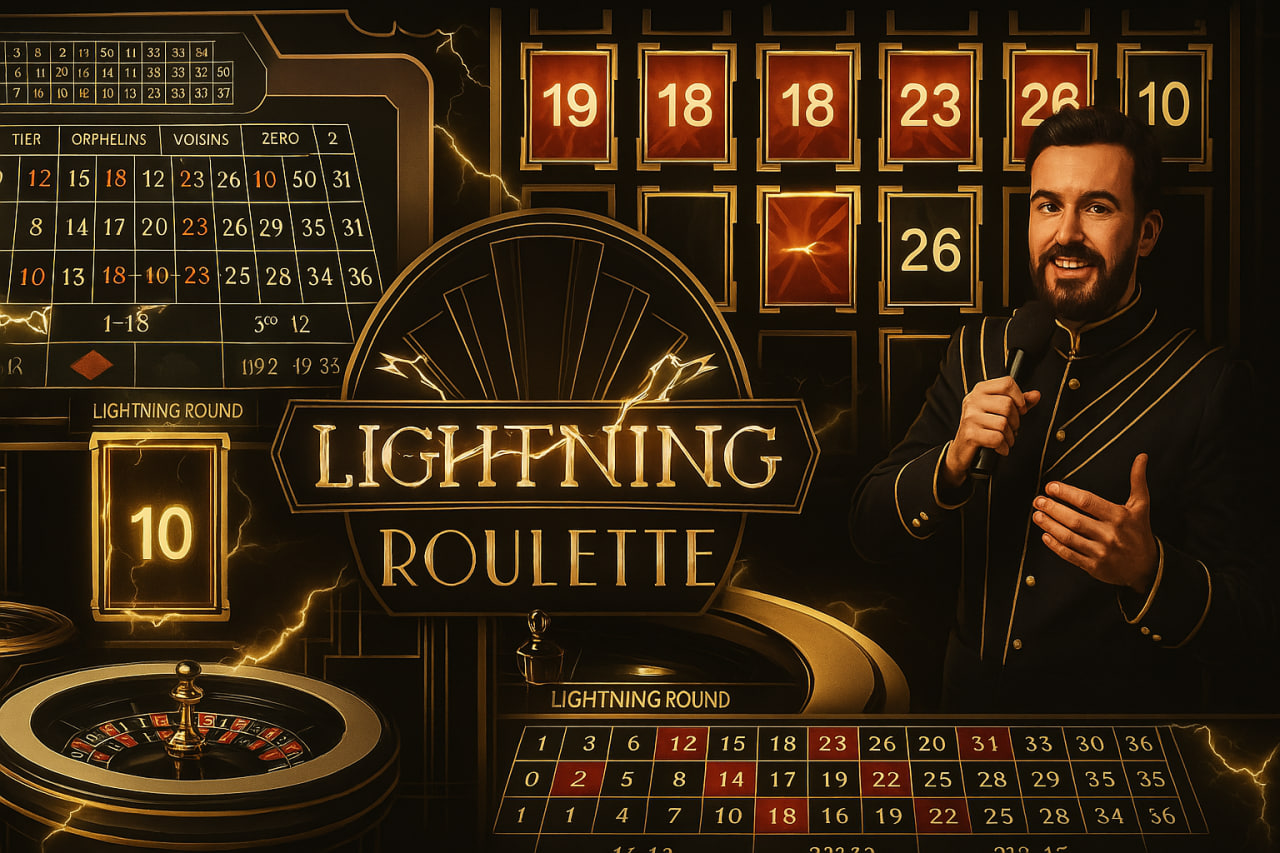
In the field of neuroeconomics and the study of 2026 gambling behaviors, few games provide as much insight as Lightning Roulette. In an era where digital entertainment is locked in a battle for "Attention Economy," Lightning Roulette https://lightning-roulette.casino/ has managed to tap into fundamental human psychological triggers that make it incredibly engaging. From the "Near-Miss" effect to the "Anticipation Phase," this article delves into why our brains are hardwired to love the high-stakes environment of lightning-charged gaming and how the industry uses these insights to build player loyalty.
The most powerful tool in the Lightning Roulette arsenal is the Variable Ratio Reinforcement schedule. In psychology, this refers to a reward system where the prize is significant but unpredictable. Unlike a standard slot machine, where the reels spin and stop, Lightning Roulette includes a distinct "Anticipation Window." After the bets are closed and before the ball lands, the lightning strikes. For those five to ten seconds, the player's brain is flooded with dopamine as they see their chosen number glowing with a 500x multiplier. Even if the ball eventually lands in the pocket next to it, the "Near-Miss" creates a psychological state where the brain feels it was "almost" a winner, prompting the desire to play again immediately.
The "Game Show" Effect and Social Validation
In 2026, the line between "Gambler" and "Viewer" has blurred. Lightning Roulette is presented in a way that mimics high-stakes television. The hosts are charismatic, the lighting is cinematic, and the sound design is engineered to create tension. This "Game Show" atmosphere reduces the perceived "stigma" of gambling and replaces it with the feeling of participating in an elite entertainment event. When the lightning strikes and the host announces a big winner, the social validation reinforces the player’s behavior. We are social animals, and seeing others win—or having our own username highlighted as a winner—triggers the brain's reward centers in a way that a quiet, solitary machine never could.
Choice and the Illusion of Control
Psychologically, Lightning Roulette also benefits from giving the player "The Illusion of Choice." By allowing players to select exactly which numbers they want to "charge" with their bets, the game creates a sense of agency. In 2026, the modern player rejects "Passive" games. They want to feel that their specific selection of the number 17 or 22 was the reason for the win. Even though the lightning is determined by a sophisticated Random Number Generator (RNG), the act of physically placing the chip on the board gives the player a feeling of control over their destiny. This psychological "Buy-In" is a powerful retention tool that keeps players coming back for "one more spin."
To conclude, the success of Lightning Roulette is a masterpiece of psychological engineering. By combining the "Near-Miss" effect, social validation, and the illusion of control within a high-production-value environment, it creates a loop of engagement that is difficult to break. As we look at the future of iGaming in 2026 and beyond, the brands that succeed will be those that understand that gambling is not just about money—it's about the feeling of the chase. Lightning Roulette doesn't just sell the chance to win; it sells the electricity of the moment, and that is a currency that never devalues.
|